
Композитор
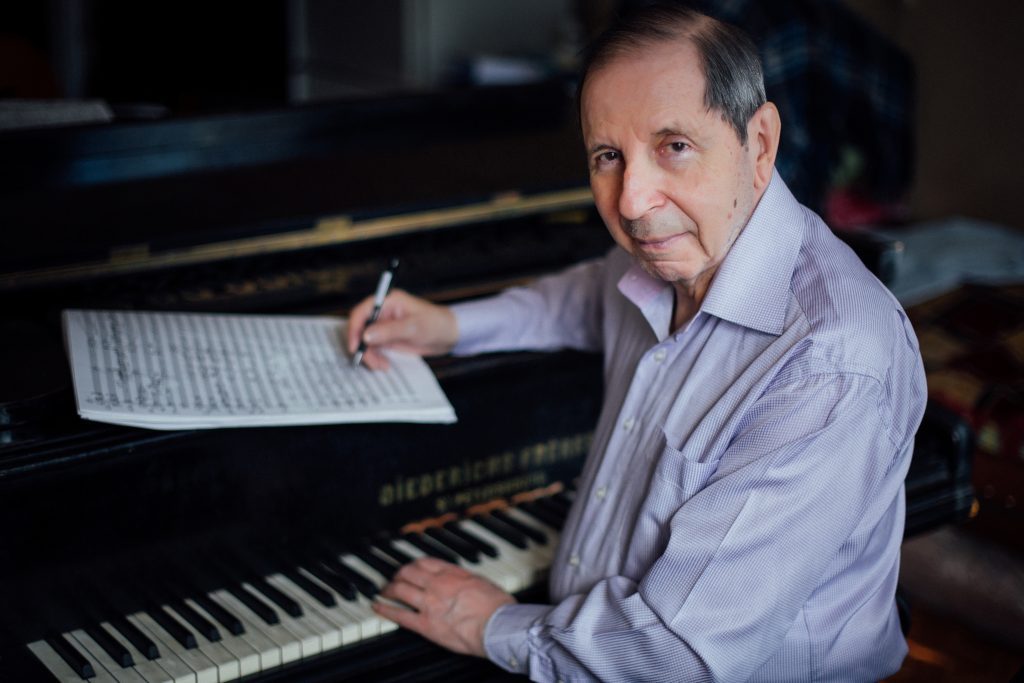
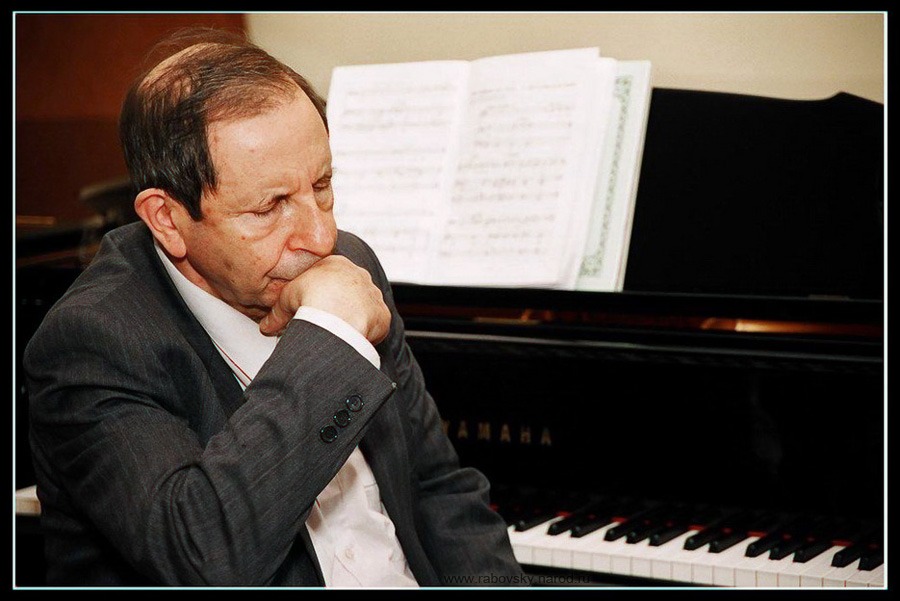
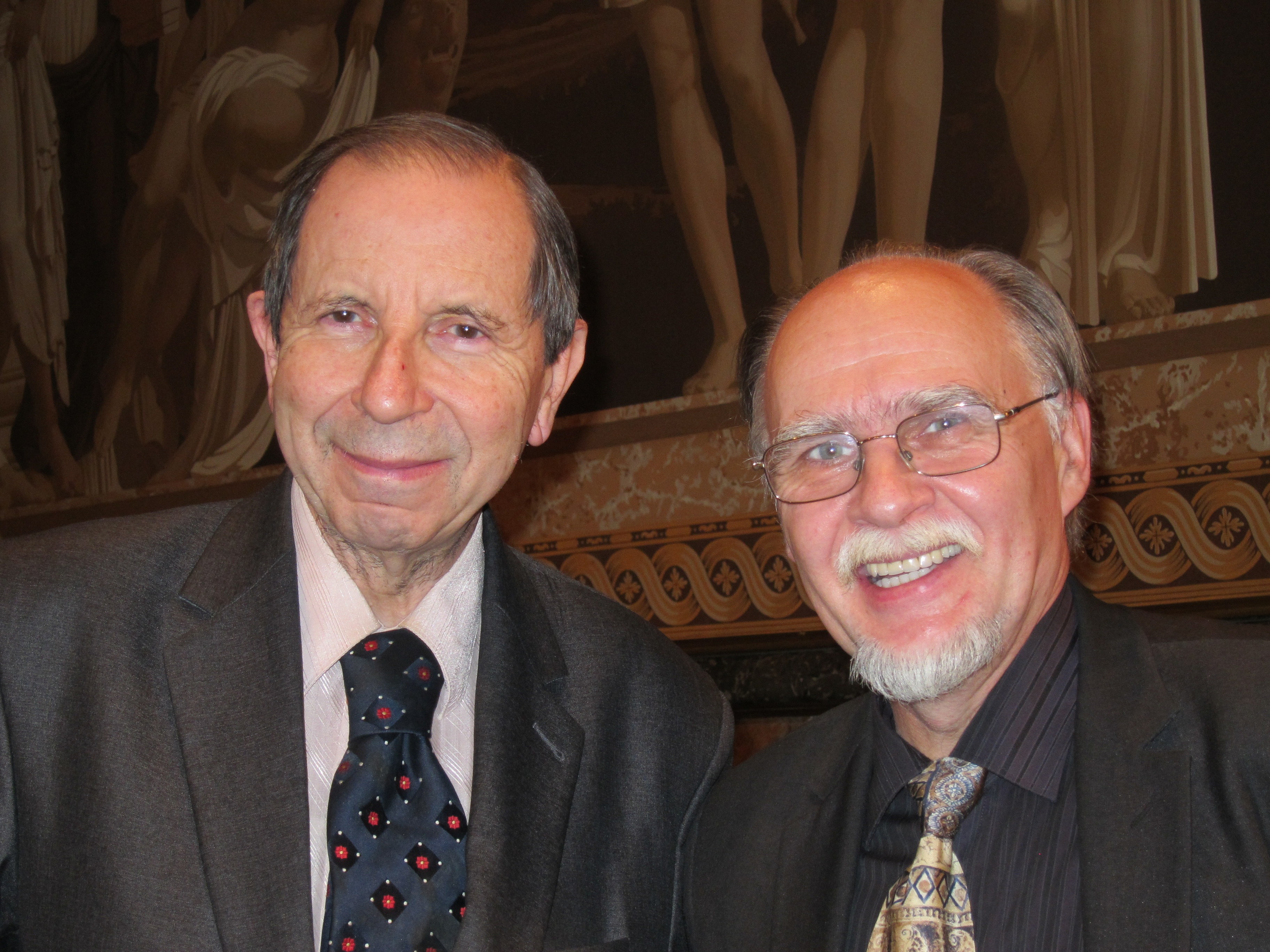
Сергей Слонимский
БИОГРАФИЯ
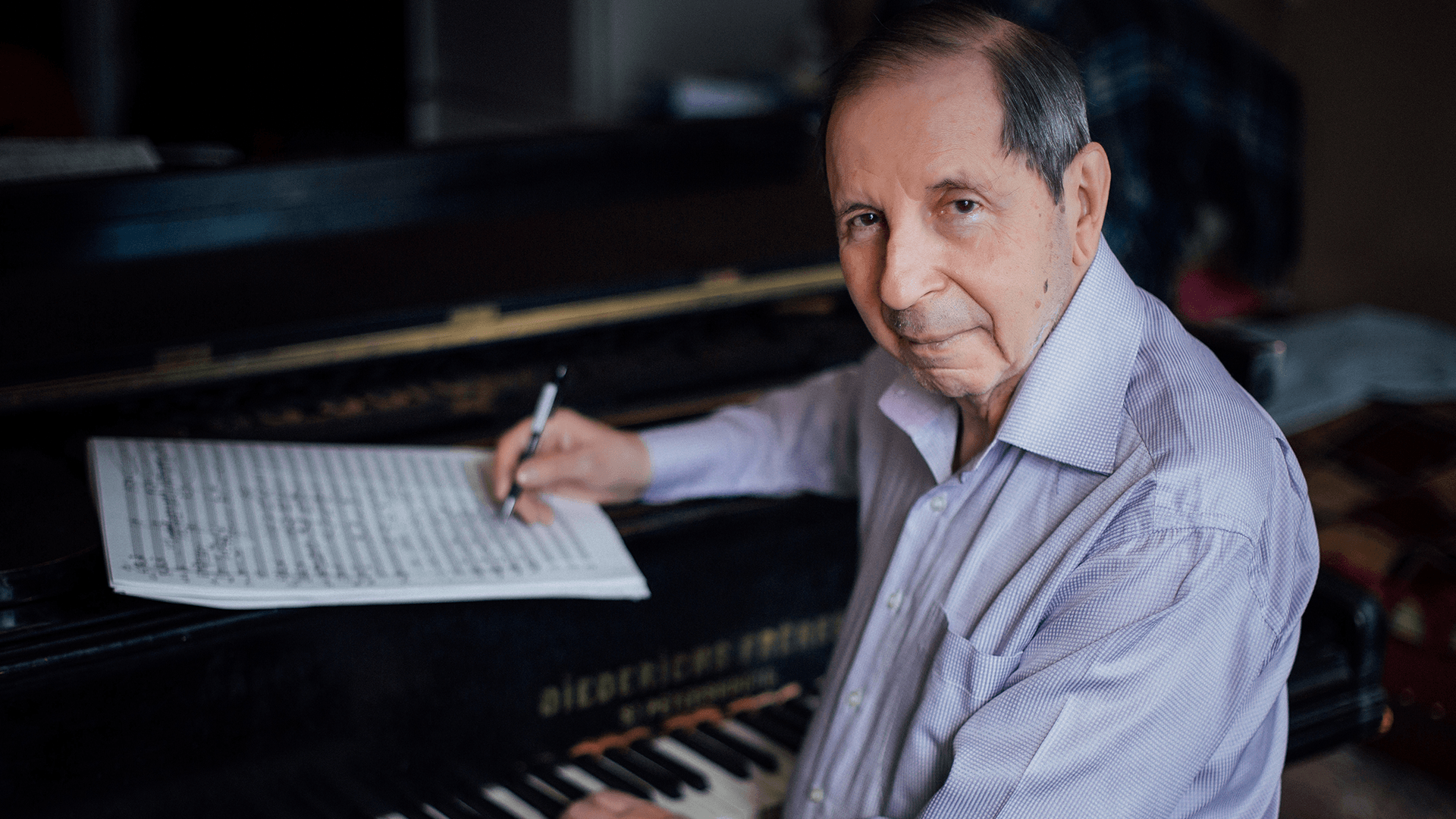
Сергей Слонимский (1932-2020) — российский композитор, пианист, музыковед. Родился в Ленинграде в семье писателя Михаила Слонимского и Иды Исааковны Каплан-Ингель. Заниматься композицией начал в возрасте 11 лет частным образом с В. Я. Шебалиным. В 1945—1950 годах учился игре на фортепиано у С. И. Савшинского и композиции у Б. А. Арапова и С. Я. Вольфензона. В 1955 году Окончил Ленинградскую консерваторию по классам композиции (класс проф. О. А. Евлахова) и фортепиано (класс проф. В. В. Нильсена), и аспирантуру под руководством Т. Г. Тер-Мартиросяна. С 1959 года преподавал музыкально-теоретические дисциплины в консерватории, с 1967 года — композицию.
Кандидат искусствоведения (1963), профессор (1976), Народный артист России (1987), лауреат Государственной премии РСФСР им. Глинки (1983), Государственной премии Российской Федерации в области литературы и искусства (2001), Премии Правительства Санкт-Петербурга (1996) и Международной премии «Балтийская звезда» (2009), кавалер ордена «За заслуги перед Отечеством» ӀV степени и Командорского креста «За заслуги» Республики Польша. Почетный Секретарь союза композиторов России. В мае 2010 года был приглашен в качестве почётного гостя на Фестиваль музыки стран восточной Европы в Нью-Йорк (США).
В качестве педагога воспитал многих известных советских, российских и зарубежных авторов. В числе его учеников Александр Колкер, Владимир Сапожников, Владимир Кобекин, Аркадий Томчин, Анатолий Затин (Мексика), Александр Радвилович, Елена Иготти, София Левковская, Владислава Малаховская, Антон Танонов, Тимоти Данн (США), Мехди Хоссейни (Иран) и многие другие известные композиторы.
В числе дирижеров, исполнявших симфонические и музыкально-театральные сочинения Слонимского — Юрий Темирканов, Валерий Гергиев, Геннадий Рождественский, Василий Синайский, Арвид Янсонс, Владислав Чернушенко, Кирилл Кондрашин, Ян Крейн, Эри Клас, Джефри Майер, Михаил Юровский, Леонид Корчмар и многие другие.
Один из крупнейших отечественных композиторов, Сергей Слонимский также является автором книг «Симфонии Сергея Прокофьева», «Бурлески, элегии, дифирамбы в презренной прозе», «Свободный диссонанс». Музыка Слонимского широко исполняется, издается и записывается на CD в России и за рубежом.
ИЗБРАННЫЕ ПУБЛИКАЦИИ
СОЧИНЕНИЯ
Карнавальная увертюра (1957)
Рукопись (партитура) в архиве автора.
Издание: Л.: СК, 1959.
Первая симфония (1958)
Рукопись в архиве автора.
Издание: Л.: СК, 1963.
Грампластинка «Мелодия», Д 025799 – 025800.
Концерт-буфф (1964)
для камерного оркестра
Рукопись в архиве автора.
Издания: Л.; М.: Музыка, 1967;
Hmbrg.: Sik., 1969.
Грампластинка «Мелодия», Д 0213887 – 8.
Сюита из балета «Икар» (1970)
Рукопись (партитура) в архиве автора.
Издание: Л.; М.: СК, 1973.
Грампластинка «Мелодия», С 10 07201 – 2
Концерт (1973)
для симфонического оркестра, трех электрогитар и солирующих инструментов
Рукопись (партитура) в архиве автора.
Издание: Партитура – Л.; М.: СК, 1976.
Драматическая песнь (1973)
Рукопись в архиве автора.
Издание: Партитура – Л.: Музыка, 1976.
1975 Праздничная музыка для балалайки, ложек и симфонического оркестра.
Рукопись в архиве автора.
Издание: Партитура – Л.: Музыка, 1978.
1975 Симфонический мотет
Рукопись в архиве автора.
Издание: Л.: Музыка, 1979.
1978 Симфония № 2 (в 3-х частях)
Рукопись в архиве автора.
Издание: Партитура – Л.: Музыка, 1981.
Грампластинка «Мелодия» С 10 –13839-40.
1981 Тихая музыка для флейты и симфонического оркестра
Рукопись в архиве автора.
Издание: Партитура – Л.: Музыка, 1981.
Грампластинка «Мелодия», 1982 г.
С 10 37035 007.
1982 Симфония № 3 (в 4-х частях)
Рукопись в архиве автора.
Издание: Партитура – Л.: СК, 1985.
1982 Симфония № 4 (в 4-х частях)
Рукопись в архиве автора (партитура).
Издание: Партитура – Л.: Музыка, 1986.
Грампластинка «Мелодия», С 1027035 007.
1983 Concerto primaverile (Весенний концерт)
для скрипки и струнного оркестра (в 3-х частях)
Рукопись (партитура) в архиве автора.
Издание: Партитура – Л.: СК, 1988.
Грампластинка «Мелодия», С 10 24920 009.
1983 Симфония № 5 (в 3-х частях)
Рукопись в архиве автора.
Издание: Партитура – Л.: Музыка, 1987.
1984 Симфония № 6
Рукопись в архиве автора.
Издание: Партитура – Л.: Музыка, 1990.
1984 Симфония № 7 (в 5-ти частях)
Рукопись в архиве автора.
Издание: Партитура – СПб.: К., 2002.
1985 Cимфония № 8 для струнного оркестра, трубы и колоколов.
Рукопись в архиве автора.
Издание: Л.: СК, 1989.
Грампластинка. «Мелодия», С 10 24919 009
1987 Концерт для гобоя и камерного оркестра (в 2-х частях)
Рукопись в архиве автора.
1987 Симфония № 9 (в 2-х частях)
Рукопись в архиве автора.
Издание: Партитура – СПб.: К., 1993 г.
Грампластинка «Мелодия», А 10 00601 002.
1988 Славянский концерт для органа и струнного оркестра
(в 3-х частях)
Рукопись в архиве автора.
Издание: СПб.: К, 1999.
CD, UL 96 160 UEP-CD 1996.
1991 Аполлон и Марсий. Симфония с солирующей флейтой и арфой.
Рукопись в архиве автора.
Издание: (факсимильное) Партитура.
Milano; Ricordi, 1992.
1992 Симфония № 10 «Круги ада» по Данте (в 9-ти частях)
Рукопись в архиве автора.
Издание: (факсимильное)
Партитура – СПб.: К., 1997.
CD UL 96 160 UEP-CD 1996.
1994 Петербургские видения.
Рукопись в архиве автора.
Издание: Партитура – СПб.: К., 1997.
1996 Симфониетта (в 3-х частях)
Рукопись (партитура) в архиве автора.
Издание: (факсимильное) СПб.: К, 2002.
1997 Еврейская рапсодия, концерт [№ 1] для фортепиано,
струнных, флейты и ударных (в 3-х частях)
Рукопись (партитура) в архиве автора.
Издание: Партитура – СПб.: К., 1999.
CD, «Musiques juives russes» RUS 288166.
1998 Концерт для виолончели и камерного оркестра (в 3-х частях)
Рукопись в архиве автора.
Издание: Партитура – СПб.: К, 2001.
2001 Концерт № 2 для фортепиано с оркестром (в 3-х частях)
Рукопись в архиве автора.
Издание: Партитура, клавир – СПб.: К., 2001.
2002 Русский калейдоскоп (Через 60 лет после Сталинградской битвы) для ансамбля.
Рукопись в архиве автора.
2003 Сюита из балета «Принцесса Пирлипат или наказанное благородство» (в 9-ти частях).
Рукопись в архиве автора.
2003 Павловский вальс – галоп.
Рукопись в архиве автора.
2003 Симфония № 11 (в 4-х частях)
Рукопись в архиве автора.
Издание: СПб.: К., 2004.
2003 Царевна лягушка, концертная сюита по русской народной сказке
для балалайки и симфонического оркестра (в 6-ти частях)
Рукопись в архиве автора.
2004 Симфония № 12 (в 4-х частях)
Рукопись в архиве автора.
2004 Симфония № 13 (Четыре стасима трагедии) (в 4-х частях)
Рукопись в архиве автора.
2005 Концерт – симфония для альтовой домры и симфонического или народного оркестра (в 3-х частях)
Рукопись в архиве автора.
Сюита (1960)
для альта и фортепиано
Диалоги (1964)
инвенции для флейты, гобоя, кларнета, фагота и валторны
Антифоны (1968)
для струнного квартета
Экзотическая сюита (1976)
для двух скрипок, двух электрогитар, саксофона и ударных
Новгородская пляска (1980)
для кларнета, тромбона, виолончели, фортепиано и ударных (с записью на пленке)
Musica lirica (1981)
для флейты, скрипки и клавесина
В мире животных (1983)
детская сюита для виолончели и фортепиано
Соната (19860
для скрипки и фортепиано
Соната (1986)
для виолончели и фортепиано
Американская рапсодия на тему G–H (1989)
для двух фортепиано и клавесина
Речитатив, Ария, Бурлеска (1990)
для флейты, фортепиано и ударных
Альба (1994)
для флейты и фортепиано
Lamento furioso (1997)
для скрипки, кларнета и фортепиано
Трио (2000)
для скрипки, виолончели и фортепиано
Квинтет (2008)
для двух скрипок, альта, виолончели и фортепиано
Камерные вокальные произведения
1958 Весна пришла!, вокальная сюита для среднего голоса и
фортепиано на стихи японских поэтов (в 5-ти частях)
Рукопись в архиве автора7 минут.
Издание: Л.: Музыка, 1968.
1959 Песни вольницы, вокальный цикл для меццо-сопрано,
баритона и фортепиано. Слова народные (в 9-ти частях)
Рукопись в архиве автора.
Издание: Л.: Музыка, 1964.
1963 Польские строфы, вокальный цикл для меццо-сопрано и флейты.
Стихи А. Слонимского (в 4-х частях)
Рукопись в архиве автора.
Издание: Hmburg: Sik. 1975; СПб.: К., 1998.
1964 Лирические строфы, вокальный цикл для голоса и фортепиано.
Стихи Е. Рейна (в 5-ти частях)
Рукопись в архиве автора.
Издание: Л.; М.: СК, 1970.
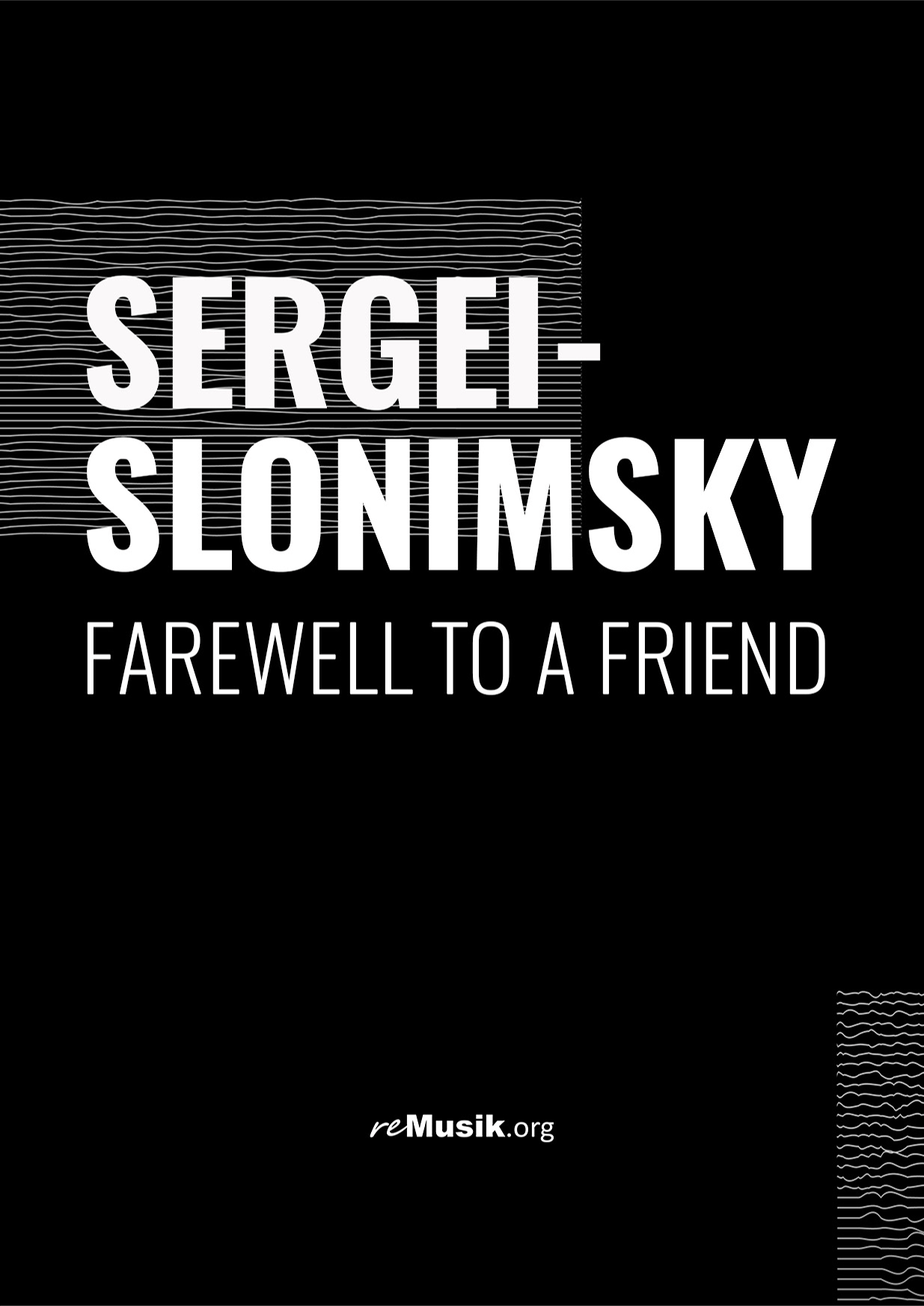
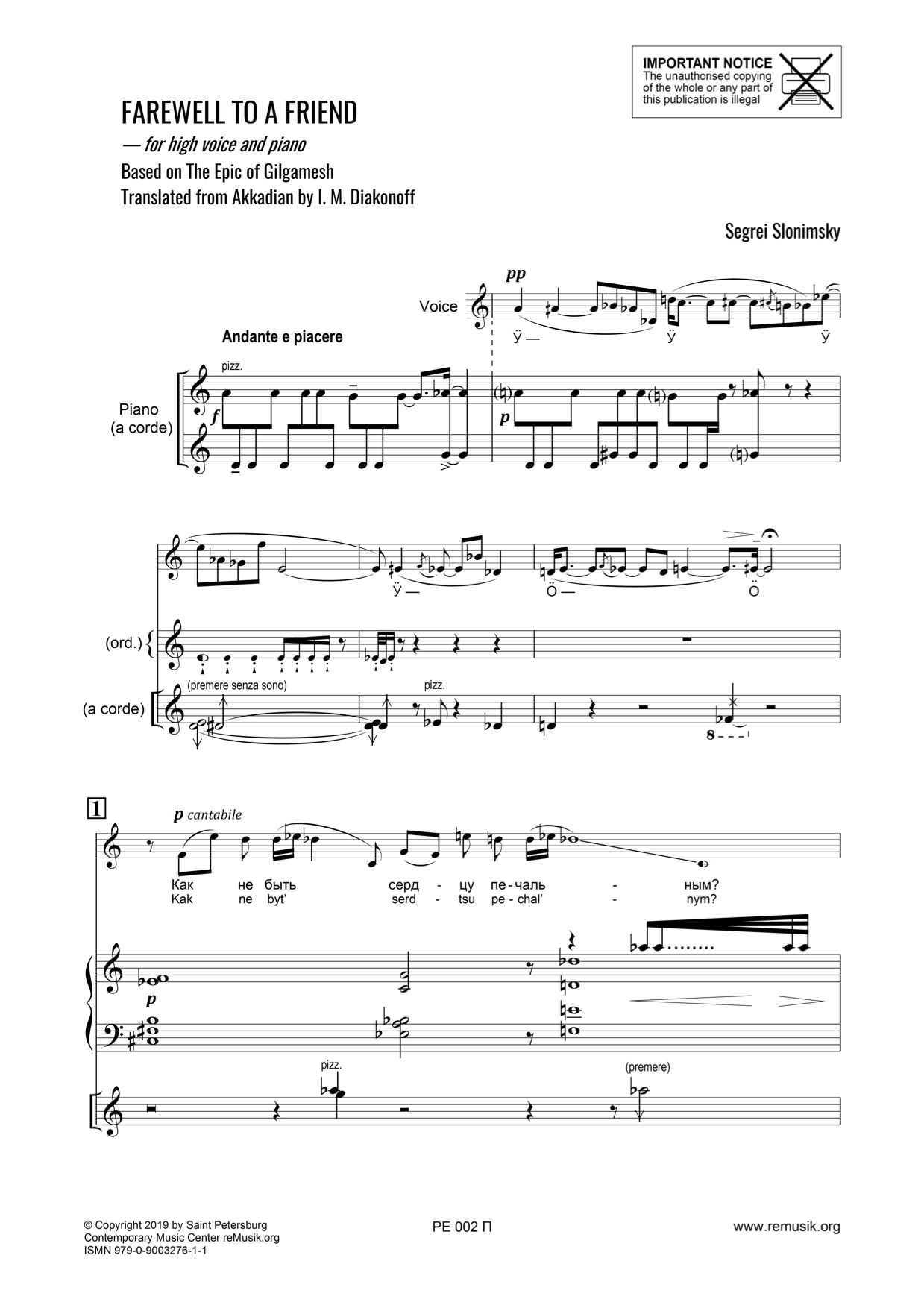
1966 Прощание с другом, вокальная сцена для высокого голоса
и фортепиано. Из шумерского эпоса о Гильгамеше.
Перевод И. Дьяконова.
Рукопись в архиве автора.
Издание: Л.: Музыка, 1970.
Hmburg: Sik. 1975
1967 Псалмы Давида, монологи для высокого голоса,
гобоя, валторны и арфы.
Композиция текстов Я. С. Друскина.
Рукопись в архиве автора.
Издание: Hmburg: Sik. 1975;
Из Ветхого Завета: Монологи
для высокого голоса, гобоя, валторны и арфы.
«Песнь песней» Соломонова: Лирический фрагмент
для сопрано, тенора, камерного хора, гобоя,
валторны и арфы. СПб.: К., 1999. С. 3 – 48.
1969 Шесть романсов на стихи Анны Ахматовой
для голоса и фортепиано
Рукопись в архиве автора.
Издания: Л.: Музыка, 1982.
В сб.: Романсы на стихи Анны Ахматовой:
Для голоса и фортепиано – Л.: СК, 1989. С. 6 – 30.
1971 Веселые песни, вокальный цикл для сопрано, флейты пикколо,
тубы и ударных на слова Д. Хармса (в 7-ми частях)
Рукопись в архиве автора.
Издание: Л.: Музыка, 1974.
1974 Четыре стихотворения Осипа Мандельштама
для голоса и фортепиано
Рукопись в архиве автора.
Издание: В сб.: Из поэзии Мандельштама:
К столетию со дня рождения / Сост. и ред.
Д. Смирнов. М.: СК, 1992. С. 5 – 23.
1974 Десять стихотворений Анны Ахматовой для голоса и фортепиано
Рукопись в архиве автора.
Издание: Л.; М.: СК, 1977. С. 3 – 65.
1975 Песни трубадуров для сопрано, тенора, 4-х блок-флейт и лютни
на тексты старонемецкой и старопровансальской поэзии. (в 11-ти частях)
Перевод В. Дынник, А. Наймана Н. Гребельной.
Рукопись в архиве автора.
Издание: Л.: СК, 1979.
1975 Песнохорка для контральто, флейты, гобоя, трубы, балалайки,
баяна, ложек, виброфона и 3-х электрогитар.
Слова народные.
Рукопись в архиве автора.
1975 Песнь песней Соломона, лирический фрагмент
для сопрано, тенора, камерного хора, гобоя, валторны и арфы.
Перевод И. Дьяконова.
Рукопись в архиве автора.
Издание: Слонимский С. Хоры: Л.: СК, 1982. С. 54 – 80.
Слонимский С. Из Ветхого Завета: Монологи
для высокого голоса, гобоя, валторны и арфы.
«Песнь песней» Соломонова: Лирический фрагмент
для сопрано, тенора, камерного хора,
гобоя, валторны и арфы. СПб.: К., 1999. С. 4 – 75.
1983 Строфы «Дхаммапады». Из древнеиндийской литературы.
для сопрано, флейты, арфы и ударных.
Рукопись (партитура) в архиве автора.
1985 Шесть дуэтов для сопрано, меццо-сопрано и фортепиано
Рукопись в архиве автора.
1985 Пять романсов на стихи Михаила Лермонтова
для голоса и фортепиано
Рукопись в архиве автора
1986 Песни на стихи Марины Цветаевой для голоса (контральто) и гитары (в 9-ти частях)
Рукопись в архиве автора.
Издания: В сб.: «Романса свежее дыханье».
Песни для голоса в сопровождении фортепиано (гитары) / Г. Портнов. Л.: СК, 1989. Вып. 2. С. 43 – 48.
В сб.: Романсы на стихи Марины Цветаевой:
Для голоса и фортепиано. СПб.: К., 1992. С. 18 – 25.
1987 Рубаи, пять стихотворений Абдуррахмана Джами
для тенора и фортепиано Перевод с фарси В. Звягинцевой.
Рукопись в архиве автора.
Издание: Слонимский С. Романсы – 2002. С. 68 – 77.
1987 Пять песен на стихи Беллы Ахмадулиной для голоса и гитары.
Рукопись в архиве автора.
Издания: В сб.: Песни и романсы на стихи
Б. Ахмадулиной: Для голоса в сопровождении фортепиано (гитары) / Сост. В. Г. Соловьев.
Л.: СК, 1991. С.41 – 46.
СПб.: К, 2002.
1988 Газели Надиры для сопрано и фортепиано.
Перевод с узбекского С. Иванов.
Рукопись в архиве автора.
Издание: Слонимский С. Романсы – 2002. С. 45 – 67.
1990 Шесть романсов на стихи Осипа Мандельштама
для голоса и фортепиано
Рукопись в архиве автора.
Издание: Романсы на стихи Осипа Мандельштама
для высокого голоса и фортепиано. – Л.: СК, 1991.
1993 Воспоминания о старинном романсе, семь дуэтов
для сопрано, меццо-сопрано и фортепиано
Рукопись в архиве автора.
1993 К Лидии. (Ссора влюблённых)
Ода Горация (Ш, 9) для сопрано, баритона и фортепиано.
Перевод Н. Романовского.
Рукопись в архиве автора.
1994 Drei Lieder nach Versen von Jоssip Mandelstam.
Deutsch von Paul Celan (Три песни на стихи Осипа Мандельштама в переводе Пауля Целана) для меццо-сопрано, скрипки, виолончели и фортепиано
Рукопись в архиве автора.
1995 На смерть Георгия Жукова, баллада для баритона, флейты, виолончели, фортепиано и ударных. Стихи И. Бродского.
Рукопись в архиве автора.
1995 Москва кабацкая, три песни на стихи С. Есенина
для баса, гитары и фортепиано
Рукопись в архиве автора.
Издание: Слонимский С. СПб.: К., 2002. С. 3 – 18.
1995 Песни неудачника, пять жестоких романсов на стихи Е. Рейна.
Для баса, гитары, фортепиано и ударных.
Рукопись в архиве автора.
Издание: Слонимский С. Песни. С. 58 – 77.
1997 Три стихотворения Александра Кушнера для голоса, флейты и фортепиано
Рукопись в архиве автора.
Издание: СПб.: К., 2001. С. 14 – 36.
1998 Шесть романсов на стихи Михаила Лермонтова и Гавриила Державина
для меццо-сопрано, баритона и фортепиано
Рукопись в архиве автора.
1999 Две песни на стихи Александра Городницкого
для баса и фортепиано
Рукопись в архиве автора.
Издание: Слонимский С. Песни. СПб.: К., 2002.С. 30 – 41.
2000 Три романса на стихи Александра Кушнера для голоса и фортепиано
Рукопись в архиве автора.
Издание: СПб.: К., 2001. С. 2 – 14.
2001 Три песни на стихи Николая Рубцова для баса и фортепиано
Рукопись в архиве автора.
Издание: Слонимский С. Песни. С. 19 – 29.
2001 Человек из бара, сюита для баса, саксофона и фортепиано.
Стихи Е. Рейна.
Рукопись в архиве автора.
Издание: Слонимский С. Песни. С. 42 – 52.
2002 Три песенки на стихи Евгения Рейна для баса, тромбона и деревянного бруска.
Рукопись в архиве автора.
Издание: Слонимский С. Песни. С. 19 – 29.
2002 Испанские эпиграммы для среднего голоса и фортепиано.
Перевод В. Васильева.
Рукопись в архиве автора.
2003 Здравствуй ад!, для баса, контрабаса и фортепиано.
Три стихотворения А. Кондратова.
Рукопись в архиве автора.
Хоры без сопровождения
Две русские песни. Для хора без сопровождения. Слова народные.
Издание: В сб.: Русские народные песни в обработке советских композиторов: Для смешанного хора без сопровождения./ Сост. Н. Котикова. Л.: Музыка, 1970. С. 10-24.
В сб.: Слонимский С. Хоры Л.: СК, 1982. С. 17-27.
Северные пейзажи. Для хора без сопровождения. Слова Вс. Рождественского.
Издание: В сб.: Хоры без сопровождения. / Сост. Н. Л. Котикова. Л.: Музыка, 1972. С. 14-27. Хоры советских композиторов без сопровождения. / Сост. Е. П. Кудрявцева и Ю. Ф. Шметков. Вып. 6. Л.; М.: СК, 1971. Вып. 6, С. 37-47. Слонимский С. Хоры. Л.: СК, 1982. С. 88-98.
Вечерняя музыка. Для хора без сопровождения (без слов) и тамтама.Издание: В сб.: Хоры советских композиторов: Без сопровождения. / Сост. Е. Кудрявцева. Л.; М.: Сов композитор, 1975. Вып. 9. С. 45; Слонимский С. Хоры. Л.; СК, 1982. С. 48.
Четыре русских песни. Для хора без сопровождения. Слова народные. Издание: В сб.: Хоры советских композиторов без сопровождения / Сост. Е. Кудрявцева. Вып.15. Л.: СК, 1978. С. 19 – 43; Слонимский С.: Хоры Л.: СК, 1982. С. 28 – 47.
Я скажу тебе с последней прямотой. Хор без сопровождения. На стихотворение О. Мандельштама. Издание: В сб.: Слонимский С. Хоры. Л.: СК, 1982. С. 81-87.
Тихий Дон. Концерт для смешанного хора. На слова старинных казачьих песен по роману М. Шолохова. Издание: Слонимский С. Хоры. Л.: СК, 1982. С. 3-16. «Революцию славлю!» Хоры в сопровождении фортепиано и без сопровождения./ Сост. П. П. Левандо. Л.: СК, 1987. С. 21-35.
Два хора на слова Ф. Тютчева. Без сопровождения. 1. В небе тают облака; 2. Сияет солнце, воды блещут. Издание: «В небе тают облака» – В сб.: Хоровая миниатюра: Произведения для смешанного хора без сопровожд./Сост. П. П.Левандо. Л.: Музыка, 1984. Вып. 9. С. 60 – 61; Молодые голоса. Хоры без сопровожд. из репертуара студенческих хоров/Сост. П. П. Левандо. Л.: СК, 1985. Вып. 2. С. 27 – 29.
Ночь белая. Хор без сопровождения. Слова Б. Окуджавы. Издание: В сб.: Невская акварель: Хоры без сопровождения / Сост. Э. Яблонев. Л.: СК, 1984. С. 29-34.
Четыре стасима из трагедии Софокла «Эдип в Колоне». Для смешанного хора без сопровождения. Перевод с древнегреческого С. Шервинского.
Маленький триптих. Для хора без сопровождения. Слова С. Орлова.
Издание: В сб.: Молодые голоса: Хоры без сопровождения./ Сост. П. П. Левандо. Л.: СК, 1986. Вып. 3. С. 16-21.
Песня 5-й Ленинградской партизанской бригады. Для смешан. хора без сопровождения. Стихи сочинены бойцами 5-й партизанской бригады.
Две русские народные песни. Обработка для хора без сопровождения. 1. Потеряла я колечко; 2. Из-за лесу, лесу темного.
Три хора на стихи Афанасия Фета. Без сопровождения. Издание: В сб.: Хоры на слова А. Фета: Без сопровождения./ Сост. В. Васильев. Л.: Музыка, 1987. С. 49-54.
Заречье. Три песни на стихи А. Прокофьева. Для хора без сопровождения.
Пять английских песенок. Для детского хора. Перевод С. Маршака Издание: В сб.: Песни – картинки в сопровождении фортепиано. Л.: СК, 1989. Вып. 36. С. 10-18.
Божий день Для хора без сопровождения. Слова А. Кольцова.
Лесные музыканты. Для детского хора. Издание: Слонимский С. Детские хоры. СПб.: К., 2004.
Дом нот. Для детского хора. Слова Г. Ляховицкой. Издание: Слонимский С. Детские хоры. СПб.: К., 2004..
Приветственный кант Всемирному клубу петербуржцев. Для хора без сопровождения. Слова А. Емельянова.
Хор «Видя разбойник». Для женского хора. На древнерусский духовный текст.
Ночь. Для смешан. хора без сопровождения. Стихи И. Бунина.
Самарский педагогический университете. Приветственный кант для хора без сопровождения. Слова. С. Лейбграда.
Волшебный сад. Для женского хора без сопровождения. Слова А. Мжельской
Хоры с инструментальным сопровождением
Хоровые игры. Для детского хора, мальчика-солиста и 2-х ударных инструментов. Слова А. Введенского. Издание: Песня машиниста – в сб.: Пионерские песни. Для школьного хора с фортепиано. / Сост. В. Л. Виткин. Л.: Музыка, 1976. С. 34; СПб.: К., 2004.
К Лидии. Для смешанного хора, арфы и тромбона. Ода Горация
Песня о Ленинграде. Для баса, смешанного хора и симфонического. оркестра. Слова А. Чепурова. Издание: Пою мое отечество: Песни для голоса или хора в сопровожд. ф-п. (гитары)/Сост. Г. Портнов. Л.: СК, 1984. Вып. 12. С. 18 – 35.
К лире. Ода Горация. Для смешан. хора, арфы и тромбона. Перевод З. Морозкиной.
Памятник. Для мужского хора и тромбона. Стихи Горация. Перевод Н. Шатеренкова
Тучка золотая. Для детского хора и фп. Стихи М. Лермонтова. Издание: Песенки на лесенке: Избр. дет. хоры в сопровожд. ф-п./Сост. Е. Д. Трубина. СПб.: Музфонд, 2000. С. 29.
Железная дорога. Для смешан. хора, трубы, ф-но. и ударных. Слова М. Дудина.
Ленинградские белые ночи. Для смешан. хора без сопровождения. Слова А. Чепурова. Издание: Хоровая песня: Без сопровождения / Сост. П. П. Левандо. Л.: Музыка, 1987. Вып. 1. С. 36 – 39.
Зимняя дорога. Для детского хора и ф-но. Стихи А. Пушкина.
Гимн Петербургской консерватории. Приветственный кант для хора и симф. оркестра. Слова С. Слонимского.
Произведения для голоса и фортепиано
Весна пришла! Вокальная сюита для среднего голоса и фортепиано на стихи японских поэтов (в 5-ти частях). 7 минут.
Издание: М.; Л.: Музыка, 1968.
Песни вольницы. Вокальный цикл для меццо-сопрано, баритона и фортепиано. Слова народные (в 9-ти частях). Издание: Л.: Музыка, 1964.
Лирические строфы. Вокальный цикл для голоса и ф-но. Стихи Е. Рейна (в 5-ти частях). Издание: Л.; М.: СК, 1970.
Прощание с другом. Вокальная сцена для высокого голоса и фортепиано. Из шумерского эпоса о Гильгамеше. Перевод И. Дьяконова. Издание: Л.: Музыка, 1970. Hmburg: Sik. 1975
Шесть романсов на стихи Анны Ахматовой. Для голоса и ф-но. Издание: Л.: Музыка, 1982; В сб.: Романсы на стихи Анны Ахматовой: Для голоса и ф-но – Л.: СК, 1989. С. 6-30.
Четыре стихотворения Осипа Мандельштама. Для голоса и ф-но. Издание: В сб.: Из поэзии Мандельштама: К столетию со дня рождения / Сост. и ред. Д. Смирнов. М.: СК, 1992. С. 5-23.
Десять стихотворений Анны Ахматовой. Для голоса (28’) и ф-но. Издание: Л.; М.: СК, 1977. С. 3-65.
Шесть дуэтов. Для сопрано, меццо-сопрано и фортепиано.
Пять романсов на стихи Михаила Лермонтова. Для голоса и фортепиано.
Песни на стихиМарины Цветаевой. Для голоса (контральто) и гитары (в 9-ти частях)
Издание: В сб.: «Романса свежее дыханье». Песни для голоса в сопровождении ф-но (гитары) / Г. Портнов. Л.: СК, 1989. Вып. 2. С. 43-48. В сб.: Романсы на стихи Марины Цветаевой: Для голоса и фортепиано. СПб.: К., 1992. С.18-25.
Рубаи. Пять стихотворений Абдуррахмана Джами. Для тенора и ф-но. Перевод с фарси В. Звягинцевой. Издание: Слонимский С. Романсы – 2002. С. 68-77.
Газели Надиры. Для сопрано и ф-но. Перевод с узбекского С. Иванов. Издание: Слонимский С. Романсы – 2002. С. 45-67.
Шесть романсов на стихи Осипа Мандельштама. Для голоса и ф-но. Издание: Романсы на стихи Осипа Мандельштама для высокого голоса и ф-но. – Л.: СК,1991.
Воспоминания о старинном романсе, семь дуэтов. Для сопрано, меццо-сопрано и ф-но.
К Лидии. (Ссора влюблённых) Ода Горация (Ш, 9). Для сопрано, баритона и ф-но. Перевод Н. Романовского.
Шесть романсов на стихи Михаила Лермонтова и Гавриила Державина. Для меццо-сопрано, баритона и ф-но.
Две песни на стихи Александра Городницкого. Для баса и ф-но. Издание: Слонимский С. Песни. СПб.: К., 2002.
Три романса на стихи Александра Кушнера. Для голоса и ф-но. Издание: СПб.: К., 2001.
Три песни на стихи Николая Рубцова для баса и ф-но. Издание: Слонимский С. Песни. С. 19-29.
Испанские эпиграммы. Для среднего голоса и фортепиано. Перевод В. Васильева.
Рыцарский романс Нине. Для голоса и ф-но. Стихи Н. Гумелева.
Песни на стихи А. Кольцова. Для тенора и ф-но. Издание: СПб., К., 2006.
Осень. Романс на стихи Н. Сорокиной. Издание: Два романса. Песня ледяной царевны, стихи Н. Сорокиной. СПб., К., 2007.
Но почему? Романс на стихи Н. Сорокиной. Издание: Два романса. Песня ледяной царевны, стихи Н. Сорокиной. СПб., К., 2007.
Песня ледяной царевны стихи Н. Сорокиной. Издание: Два романса. Песня ледяной царевны, на стихи Н. Сорокиной. СПб., К., 2007.
Два стихотворения Г. Гарбовского. Для баса и фортепиано
Три романса. Для среднего голоса и фортепиано. Стихи В. Соловьева.
Две гравюры на стихи М. Чубскиной. Для сопрано и фортепиано.
Три романса. Для голоса и фортепиано. Стихи М. Лермонтова. 1. Как небеса взор блистает, 2. Портрет, 3. Я жить хочу.
Три романса. Для голоса и фортепиано. Стихи Ф. Тютчева.
Песни. Для контральто и фортепиано. Стихи М. Цветаевой.
Два романса. Для среднего голоса и фортепиано. Стих А. Толстого. 1.Минули страсти; 2. Пришла, весна
Три романса. Для голоса и ф-но. Стихи В. Шефнера, И. Тхоржевского. «В грехах мы все» стихи В. Шефнера; 2. «Не привыкайте к небеcам» стихи В. Шефнера; 3. «Легкой жизни я просил у бога» стихи И. Тхоржевского.
Для голоса в сопровождении других инструментов или ансамбля
Башкирская девичья. Для голоса, флейты и 2-х бонго. Слова Вс. Рождественского. Издание: В журн.: Нева. 1977, №3, С. 221.
Польские строфы. Вокальный цикл для меццо-сопрано и флейты. Стихи А. Слонимского (в 4-х частях). Издание: Hmburg Sik. 1975; СПб.: К., 1998.
Веселые песни. Вокальный цикл для сопрано, флейты пикколо, тубы и ударных на слова Д. Хармса (в 7-ми частях). Издание: Л.: Музыка, 1974
Псалмы Давида. Монологи для высокого голоса, гобоя, валторны и арфы. Композиция текстов Я. С. Друскина. Издание: Hmburg: Sik. 1975; Cлонимский С. Из Ветхого Завета: Монологи для высокого голоса, гобоя, валторны и арфы. «Песнь песней» Соломонова: Лирический фрагмент для сопрано, тенора, камерного хора, гобоя, валторны и арфы. СПб.: К., 1999. С. 3-48.
Песни трубадуров. Для сопрано, тенора, 4-х блок-флейт и лютни (30’) на тексты старонемецкой и старопровансальской поэзии. (в 11-ти частях). Перевод В. Дынник, А. Наймана Н. Гребельной. Издание: Л.: СК, 1979.
Песнохорка. Для контральто, флейты, гобоя, трубы, балалайки, (8’) баяна, ложек, виброфона и 3-х электрогитар. Слова народные.
Песнь песней Соломона, лирический фрагмент. Для сопрано, тенора, камерного хора, гобоя, валторны и арфы. Перевод И. Дьяконова. Издание: Слонимский С. Хоры: Л.: СК, 1982. С. 54-80. Слонимский С. Из Ветхого Завета: Монологи для высокого голоса, гобоя, валторны и арфы. «Песнь песней» Соломонова: Лирический фрагмент для сопрано, тенора, камерного хора, гобоя, валторны и арфы. СПб.: К., 1999. С. 4-75.
Строфы «Дхаммапады». Из древнеиндийской литературы. Для сопрано, флейты, арфы и ударных.
Пять песен на стихи Беллы Ахмадулиной. Для голоса и гитары. Издание: В сб.: Песни и романсы на стихи Б. Ахмадулиной: Для голоса в сопровождении ф-но (гитары) / Сост. В. Г. Соловьев. Л.: СК, 1991. С.41-46. СПб.: К, 2002.
Drei Lieder nach Versen von Jоssip Mandelstam. Deutsch von Paul Celan (Три песни на стихи Осипа Мандельштама в переводе Пауля Целана.) для меццо-сопрано, скрипки, виолончели и фортепиано.
На смерть Георгия Жукова. Баллада для баритона, флейты, виолончели, фортепиано и ударных. Стихи И. Бродского.
Москва кабацкая, три песни на стихи С. Есенина
Для баса, гитары и фортепиано.
Издание: Слонимский С. СПб.: К., 2002. С. 3-18.
Песни неудачника, пять жестоких романсов на стихи Е. Рейна. Длябаса, гитары, фортепиано и ударных. Издание: Слонимский С. Песни. С. 58-77.
Три стихотворения Александра Кушнера. Для голоса, флейты и фортепиано. Издание: СПб.: К., 2001.
Человек из бара. Сюита для баса, саксофона и фортепиано. Стихи Е. Рейна. Издание: Слонимский С. Песни. С. 42-52.
Три песенки на стихи Евгения Рейна. Для баса, тромбона и деревянного бруска. Издание: Слонимский С. Песни. С. 19-29.
Здравствуй ад! Для баса, контрабаса и фортепиано. Три стихотворения А. Кондратова.
Domine yesu, для сопрано, скрипки и виолончели
«O himmel, himmel». Для голоса, флейты, виолончели, фортепиано и ударных Стихи О. Мандельштама в переводе П. Целана
Фортепиано соло
Соната. Для фортепиано. Издание: М.; Л.: Музыка, 1965. Грампластинка «Мелодия», Д 028430, CD, «Sergei Slonimsky, Piano Music» Vol. 1. «Altarus», AIS-CD-9086, CD TROY 135 ALBANY 1994.
Детские пьесы. Для ф-но. Издания: Л.: Музыка, 1972. Слонимский С. Альбом для детей и юношества. Пьесы для ф-но: Л.: Музыка, 1983; L.: P., 1974; От пяти до пятидесяти: Альбом для детей, юношества и концертирующих пианистов. Тетр.1. – СПб.: К, 1993. Тетр. 3. – СПб.: К., 1995. Тетр. 4, 5. – СПб.: К., 1998.
Капельные пьески. Для фортепиано. Издания: Пьесы ленинградских композиторов: Для фортепиано / cост. С. Я. Вольфензон. Вып. 5. – Л.; М.: СК, 1975. С. 23-27. В сб.: Пьесы ленинградских композиторов. Для фортепиано: мл. и ср. кл. ДМШ / сост. С. Я. Вольфензон. Вып.10. – Л.; М.: СК, 1980. – С. 3-6; Альбом С. 3-7; От пяти до пятидесяти. Тетр. 1. – СПб.: К., 1993. – С. 3-7.
Интермеццо памяти Брамса. Для фортепиано. Издание: От пяти до пятидесяти. Тетр 3. – СПб.: К., 199. – С. 21-33. С. Слонимский Интермеццо памяти Брамса. Северная баллада памяти Грига. Для фортепиано. – СПб.: К., 2000. – С. 3-15. CD «Sergei Slonimsky Piano Music» Vol. 1. Altarus, AIR CD 9086
Сюита путешествий. Для ф-но (в 4-х частях). Издание: Слонимский С. От пяти до пятидесяти. Тетр.1. – СПб.: К, 1993. – С. 8-14.
Альбом для детей и юношества. Пьесы для ф-но (19 пьес). Издание: – Л.: Музыка, 1983.
Две пьесы по сказке Шарля Перро. Для ф-но в 4 руки. Издание: В сб.: Альбом. Для ф-но в 4 руки по сказкам Шарля Перро: мл. и ср. кл. ДМШ / сост. Л. Десятников.- Л.: СК, 1989. – С. 49-58; От пятидо пятидесяти. Тетр. 4. СПб.: К., 1998. – С. 3-12.
Элегия памяти Сибелиуса. Для фортепиано. Издание: От пяти до пятидесяти. Тетр. 2. – СПб.: К., 1993. – С. 20-22.
Две пьесы. Для ф-но в 4 руки.1. Деревенский вальс; 2. Школьный полонез. Издание: В сб.: Слон – бостон: Танцевальные пьесы для фортепиано: В 4 руки: ср. и ст. кл. ДМШ / сост. Е. Иршаи. – Л.: СК, 1991. – С. 52-62. С. Слонимский От пяти до пятидесяти. Тетр. 4. – СПб.: К., 1998. – С. 13-32.
Две пьесы. Для фортепиано в 4 руки. 1. Шествие оленей; 2. Песня русалки. Издание: Слонимский С. От пяти до пятидесяти. Тетр. 5. – СПб.: К., 1998. – С. 14-30.
Французская сюита из музыки к пьесе Ромена Роллана «Смерть Робеспьера». Для фортепиано (в 7-ми частях). Издание: Слонимский С. От пяти до пятидесяти. Тетр. 2. – СПб.: К., 1993. – С. 11-19.
Принцесса, не умевшая плакать. Сюита по сказке Р. Баумбаха. Издание: Слонимский С. От пяти до пятидесяти. Тетр. 1. – СПб.: К., 1993. – С. 15-22.
Король-музыкант. Сюита по сказке братьев Гримм для фортепиано (в 4-х частях). Издание: Слонимский С. От пяти до пятидесяти. Тетр. 1. – СПб.: К., 1993. – С. 23-26.
Воспоминания о ХIХ веке. Цикл для фортепиано (3 пьесы). Издание: От пяти до пятидесяти. Тетр. 3. – СПб.: К., 1995. – С. 3-33.
24 прелюдии и фуги. Для фортепиано. Издание: – СПб.: К., 1996. CD/ Altarus Sergei Slonimsky piano music volume I Fisenko air CD 9085
Корейская сюита, пять пьес для фортепиано, с движущейся пентатоникой в мелодии (в 4-х частях).
Северная баллада памяти Грига. Для фортепиано. Издание: – СПб.: К., 2000. – С. 16-40.
Ричеркар, для фортепиано. Издание: П. Двойрин, Р. Леденев, С. Слонимский. Полифоническая трилогия для ф-п. на тему П. Двойрина. – М.: 2002. – С. 3 -8.
Вальс несбыточных грез. Для фортепиано. Издание: От Глинки до… Русская фортепианная миниатюра / сост. С. Н. Поддубный. — СПб.: К, 2005. — С. 26—27.
Хоровод, песня, скоморошина. Для фортепиано. Издание: – СПб., К., 2006.
Вальс несбыточных грез. Для фортепиано. Издание: От Глинки до …Русская фортепианная миниатюра. – СПб., К., 2006. – С. 26.
Веселый фуриант — полька. Для фортепиано. Издание: – СПб.: Художник, 2006.
Веселая мазурка, для фортепиано
Прекрасное видение окутанное мглою. Для фортепиано
Веселые и грустные, страшные и смешные приключения: 6 циклов легких и трудных фортепианных пьес для учащихся младшего и старшего возраста. 1. Первые шаги на клавиатуре (7 пьес); 2. Три лесных истории (13 пьес); 3. В Африке: (7 пьес); 4. В виртуальном мире (5 пьес); 5. Из русских народных сказок (4 пьесы); 6. Юность (5 пьес).
Альбом фортепианных пьес. Для детей и юношества. I. Первые шаги пианиста. (13 пьес) 2. Музыкальное путешествие по странам и континентам (18 пьес).
«Один день ребенка». Детская сюита для фортепиано (18 пьес)
Три пьесы. Для фортепиано из балета «Волшебный орех». Транскрипция для 6 рук автора. 1.Любовь юноши к принцессе; 2. Шутовской танец и полька; 3. Вакханалия.
Другие инструменты соло
Solo espressivo. Для гобоя. Издание: – L.: P., 1977, 1980.
Соната для скрипки соло (в 4-х частях). Издание: Л.: Музыка, 1967.
Пастораль и токката. Для органа. Издание: Сб.: Советская органная музыка / cост.
И. А. Браудо, Л.: Музыка, 1965. С. 130-138; Токката – L.: P., 1973.
Три пьесы. Для виолончели соло. Издание: Л.: Музыка, 1975.
Хроматическая поэма. Для органа. Издание: L.; P., 1973; Л.; М.: СК, 1974. Hmburg: Sik., 1975; Paris: Le chant du Monde, 1977.
Монодия по прочтении Еврипида. Для скрипки соло. Издания: В сб.: Концертные пьесы: Для скрипки соло и в сопровождении фортепиано / Сост. С. Стадлер. – Л.: СК, 1990. – С. 3-11; Слонимский С. Соната: Для скрипки и фортепиано, Монодия: Для скрипки соло. – СПб.: К., 1999. – С. 14-26.
Две сказки. Для арфы. Издание: Слонимский С. Три пьесы: Для арфы. \ Ред.-сост.И. Донская. СПб.: К., 2002. С. 8-15.
Чеченская рапсодия. Для арфы. Издание: Слонимский С. Три пьесы: Для арфы / ред.–сост. И. Донская. – СПб.: К., 2002. – С. 2-7.
1967 Виринея, музыкальная драма в 3-х частях.
Либретто С. Ценина по мотивам повести Л. Сейфулиной.
Рукопись (партитура) в архиве автора, в МАЛЕГОТ, МАМТ, КГТОБ, ПГАТОБ (копии партитуры).
Издание: Клавир – М.: Музыка, 1969.
Грампластинка «Мелодия», Д 10 027963027970 (комплект из 3-х пластинок)
1970 Икар, балет в 5-ти картинах.
Либретто Ю. И. Слонимского.
Рукописи (партитура, клавир) в ГАБТ, ГАМТ, Театр им. Яначека (Брно) (копия)
Издание: Клавир – Л.: Музыка, 1973.
1972 Мастер и Маргарита, камерная опера.
Либретто Ю. Димитрина и В. Фиалковского.
Рукопись (партитура) в архиве автора
Издание: Л.: СК, 1991.
1980 Мария Стюарт, опера-баллада. “150””
Либретто Я. Гордина.
Рукопись (партитура, клавир) в архиве автора
Издание: Клавир – Л.: Музыка, 1984.
Грампластинка “Мелодия” С 10 21115-21120 (комплект из 3-х пластинок)
1991 Гамлет, dramma per musica в 3-х действиях
по трагедии В. Шекспира в переводе Б. Пастернака.
Либретто Я. Гордина и С. Слонимского.
Рукопись в СГАТОБ, КрГТОБ (копия партитуры), в архиве автора (партитура).
Издание: Клавир – СПб.: К., 1997.
1995 Царь Иксион, камерная опера (монодическая драма)
по античному мифу и трагедии И. Анненского, с хором и камерным оркестром.
Либретто С. Слонимского.
Рукопись (партитура) в архиве автора.
1995 Видения Иоанна Грозного, русская трагедия
в 13-ти видениях с 3-мя эпилогами и увертюрой.
Либретто Я. Гордина по историческим документам XVI века.
Рукопись (партитура) в архиве автора.
Издание: (факсимильное) Клавир – СПб.: К., 2001.
2001 Король Лир, dramma per musica
по трагедии В. Шекспира в переводе Б. Пастернака.
Либретто С. Слонимского.
Рукопись в архиве автора
2001 Принцесса Пирлипат или наказанное благородство, балет в 1- м акте.
Либретто М. Шемякина по «Сказке о крепком орехе»
Э. Т. А. Гофмана.
Рукопись в архиве автора (партитура, копия – ГАМТ).
2004 Волшебный орех, балет в 2 – х актах.
Либретто М. Шемякина по «Сказке о крепком орехе»
Э. Т. А. Гофмана. 100’
Рукопись в архиве автора.
(партитура, копия – ГАМТ)
Музыка к кинофильмам и спектаклям
1964 Перед судом истории, музыка к кинофильму.
Режиссёр Ф. Эрмлер.
Рукопись в архиве Ленфильма.
1966 Республика Шкид, музыка к кинофильму.
Режиссёр Г. Полока.
Рукопись в архиве Ленфильма.
1967 Интервенция, музыка к кинофильму. 20’
Режиссёр Г. Полока.
Рукопись в архиве Ленфильма.
1972 Ревизор, музыка к спектаклю по пьесе Н. В. Гоголя БДТ.
Режиссёр Г.А. Товстоногов.
Рукопись в архиве БДТ.
1974 Романтики, музыка к спектаклю Ленинградского
академического театра комедии
Режиссёр В. Голиков
Рукопись в архиве театра Комедии.
1977 Тихий Дон, музыка к спектаклю БДТ по роману М. Шолохова.
Режиссёр Г. Товстоногов
Рукопись в архиве БДТ.
1989 Робеспьер, музыка к спектаклю драматического театра
им. В. Ф. Комиссаржевской по пьесе Р. Роллана
«Смерть Робеспьера».
Режиссер Р. С. Агамирзян.
Рукопись в архиве Драматического театра им. В. Ф. Комиссаржевской.
СОБЫТИЯ
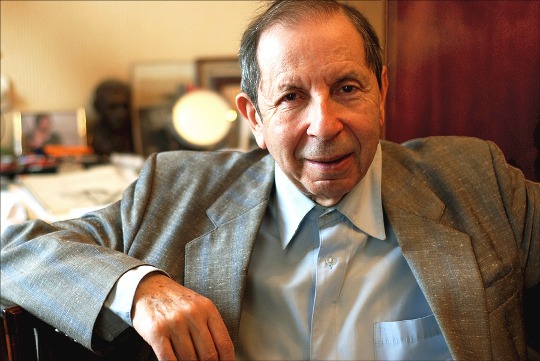
9 февраля в Большом зале Петербургской филармонии состоится мировая премьера Симфонии №26 Сергея Слонимского. Партитура прозвучит вместе с музыкой Глазунова и Чайковского.
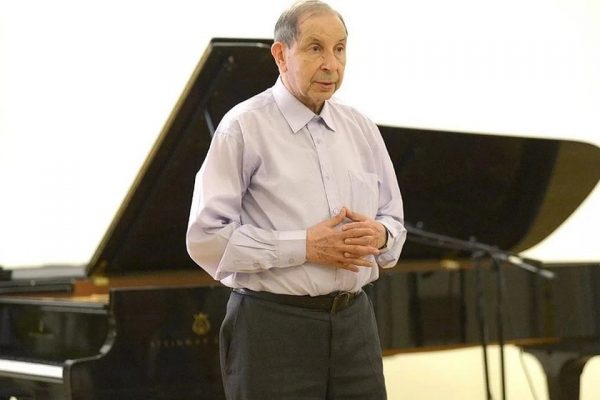
Постановка оперы «Мастера и Маргариты» (2023) в Самарском театре оперы и балета имени Шостаковича станет первым полномасштабным воплощением этого сочинения в России.
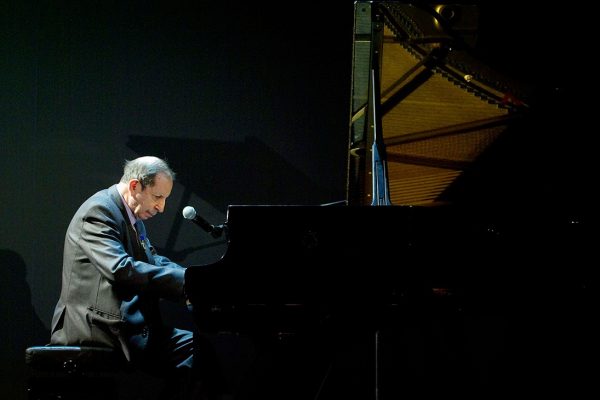
Концерты памяти композитора пройдут в Московской консерватории и Петербургской филармонии в феврале.
ССЫЛКИ
Сергей Слонимский. Эпоха симфоний в XXI веке
Композитор, профессор С. М. Слонимский, Эпоха симфоний
Журнал «reMusik.org», 21 февраля 2011 • Интервью: № 1-110221
«…мне кажется, что суть симфонии заключается в том, что это музыкальный дневник человека о нашем времени, о нашей очень страшной эпохе».
Композитор, профессор С. М. Слонимский поделился своим мнением в интевью с Санкт-Петербургским центром современной академической музыки «reMusik.org».
22 февраля в Большом зале Санкт-Петербургской государственной филармонии им. Д. Д. Шостаковича прозвучит произведение С. М. Слонимского Симфония № 21 «Из Фауста Гете». Премьера этой симфонии состоялась 17 января 2010 года на III фестивале «Новые горизонты» в Мариинском театре под руководством Валерия Гергиева.
Сергей Слонимский: «Новое музыкальное творчество только начинается…»
Журнал «Музыкальная жизнь» No3, 2011. Интервью с композитором, профессором Санкт-Петербургской государственной консерватории Сергеем Слонимским. Интервью: Егор Ковалевский
«Триумфом ознаменовался недавний визит петербургского композитора Сергея Слонимского в Нью-Йорк. Слонимский приехал в США для участия в музыкальном марафоне Wall to Wall в нью-йоркском авангардном концертом зале Symphony Spase. Это был юбилейный, сороковой по счету марафон. <…> Оба сочинения Слонимского в Нью-Йорке были услышаны впервые, и публика встретила их с восторгом: аудитории пришлась по вкусу их свежесть и эмоциональность, а профессионалы оценили изощренное техническое мастерство петербургского гостя». Соломон Волков // Чайка No 11, 1-15.06.2010
Сергей Слонимский: «88 укусов осы безопасны…»
Петербургский композитор вспоминает о Шостаковиче и Бродском
Сергей Слонимский — один из самых плодовитых композиторов нашего времени. Автор 30 симфоний, 8 опер, множества инструментальных и хоровых произведений. Слонимский вырос среди ленинградской культурной элиты — дома у его отца, известного писателя Михаила Слонимского, собирались писатели, входившие в объединение «Серапионовы братья» во главе с Евгением Замятиным. Потом уже частыми гостями в доме бывали Михаил Зощенко и Евгений Шварц. Более пятидесяти лет Сергей Слонимский преподаёт в Петербургской консерватории…