Четверг, 23 мая 2019
Новая сцена Александринского театра
20:00
Ensemble for New Music Tallinn (Эстония)
Дирижер – Араш Яздани (Иран)
В программе:
Александр ШУБЕРТ (*1979)
Star Me Kitten (Российская премьера, 2015)
для ансамбля и электроники
Симон СТЕН-АНДЕРСЕН (*1976)
Study for String Instrument #1 (Российская премьера, 2007)
версия для струнного трио
Лииза ХИРШ (*1984)
4 glides (Российская премьера, 2014)
версия для видео и электроники
Марк АПЛБАУМ (*1967)
Pre-Composition (Российская премьера, 2003)
для 8-канальной записи
Яир КЛАРТАГ (*1985)
Pros mathematikous (Российская премьера, 2015)
для флейты, кларнета, скрипки, альта и виолончели
Николай ПОПОВ (*1986)
ANF-93 (Мировая премьера новой версии, 2014/2019)
для флейты, кларнета, скрипки,
альта, виолончели и электроники
Исполнители:
Мария Элонен, флейта
Хелена Туулинг, кларнет
Нина Кавагучи, скрипка
Талви Нургамаа, альт
Тэму Мастовара, виолончель
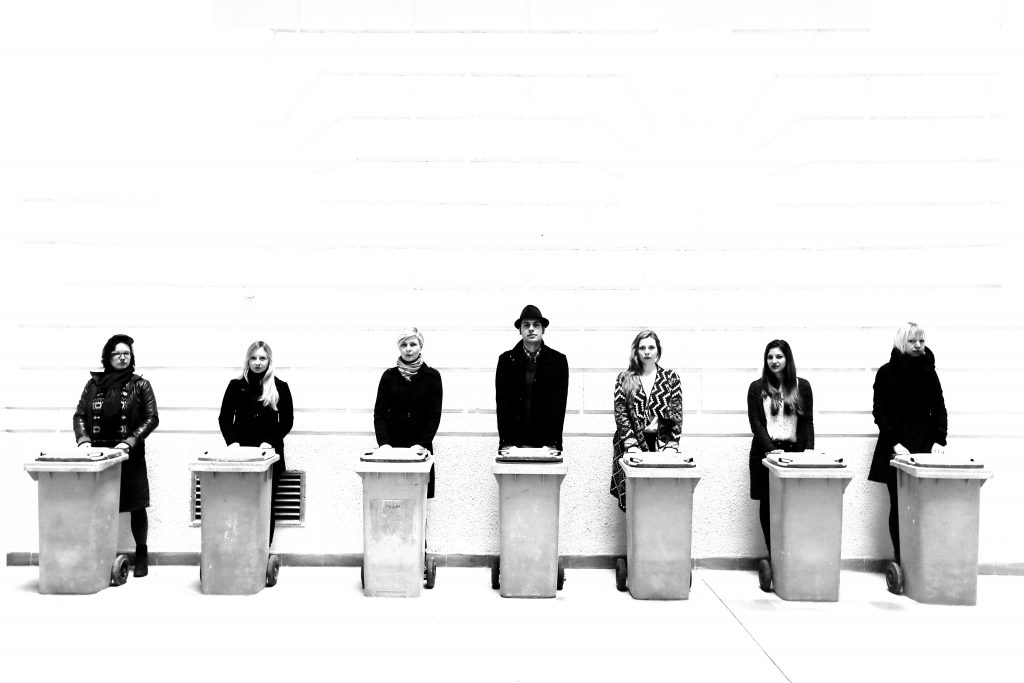
Ensemble for New Music Tallinn появился в 2012 году, как платформа для нового поколения музыкантов и слушателей. Главной целью ENMT стало пропагандирование идей качественно иного восприятия музыки и продвижение сочинений современных композиторов среди неискушенной аудитории.
Действуя в обход мейнстримовой музыкальной индустрии и крупных институций, ансамбль инициирует коллабораций с артистами и музыкантами, представляет тщательно составленные смелые программы, которые знакомят слушателей с малоизвестными в Эстонии и за ее пределами произведениями. Коллектив впервые представил эстонской публике сочинения Георга Фридриха Хааса, Джеймса Тенни, Майкла Майерхофа, Элвина Люсье, Александра Шуберта и других композиторов.
Коллектив сотрудничал с фестивалями Acker Stadt Palast (Берлин), MIXTUR (Барселона), Fylkingen (Стокгольм), AFEKT (Тарту, Эстония), Animated Dreams (Таллин), PÖFF Black Nights Film, Inner Sound New Arts (Бухарест), Tallinn Music Week, Resonanta (Париж), Estonian Music Days, Берлинским университетом искусств, Эстонской академией музыки и театра, центром архитектуры FUGA (Будапешт) и многими другими.
С 2017 года ENMT проводит фестиваль микротоновой музыки Sound Plasma в Берлине и Таллине. Фестиваль включает в себя концерты, лекции, мастер-классы и симпозиумы с участием ансамбля.
ГЛАВНЫЕ ПАРТНЕРЫ


СПОНСОРЫ И ПАРТНЕРЫ

ГЛАВНЫЕ ИНФОРМАЦИОННЫЕ ПАРТНЕРЫ


ИНФОРМАЦИОННЫЕ ПАРТНЕРЫ